How Can You Block Emails On Outlook
A practical step-by-step guide to how can you block emails on outlook, including preparation, instructions, common issues, tips, and next steps.
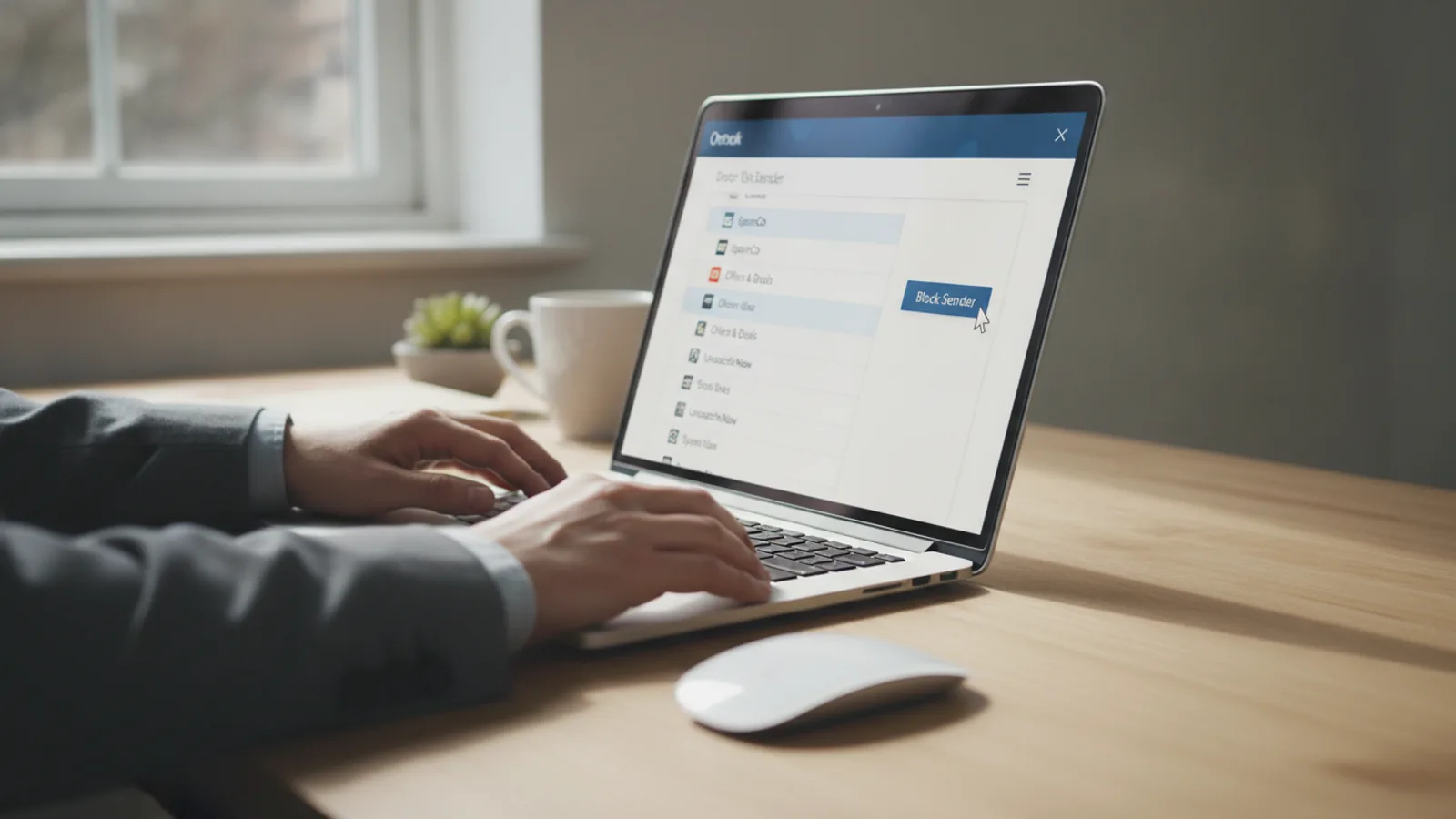
How Can You Block Emails On Outlook
This guide explains how to approach how can you block emails on outlook, including the preparation, practical steps, common mistakes, and final checks that help you finish with confidence.
Before You Start
Step-by-Step Instructions
Quick Reference
Common Problems When You how can you block emails on outlook
Even with simple steps, you might run into a few issues when trying to block emails. Here are some common problems and how to fix them:
Blocked Emails Still Appear in Your Inbox
Problem: You blocked a sender, but their emails still show up in your main inbox.
Fix: First, double-check that you correctly added the sender to your Blocked Senders list. Sometimes, an email address might have slight variations (e.g., "sender@domain.com" versus "newsletter@domain.com"). Make sure the exact address is blocked. Also, check your "Safe Senders" list. If the sender is accidentally on your Safe Senders list, Outlook will deliver their mail even if they are on the Blocked Senders list. Remove them from Safe Senders if they are there.
Cannot Find the "Block Sender" Option
Problem: You're looking for the "Block Sender" option, but it's not visible.
Fix: The location of this option can vary slightly between the Outlook web version (Outlook.com) and the desktop application, and even different versions of the desktop app. In the web version, it's often under "Junk" or "Security options" when you right-click an email, or within the "More actions" (three dots) menu when an email is open. In the desktop app, it's typically under the "Junk" button in the Home tab or when right-clicking an email. If you're using an older version of Outlook, you might need to consult Microsoft's support for specific instructions for your version. Also, if you're using a work or school account, your organization's IT department might have restricted certain features.
Accidentally Blocked an Important Contact
Problem: You blocked someone by mistake and now you're missing their emails.
Fix: Don't worry, this is easy to fix. Go to your Blocked Senders list (Settings > Mail > Junk email > Blocked senders and domains in Outlook.com, or Home tab > Junk > Junk Email Options... > Blocked Senders in the desktop app). Find the email address you accidentally blocked, select it, and click "Remove". Once removed, their emails should start appearing in your inbox again. You might need to check your Junk Email folder for any messages they sent while blocked.
Emails from a Blocked Sender Still Go to Junk Email
Problem: You blocked a sender, and their emails correctly go to Junk Email, but you expected them to be deleted completely.
Fix: Outlook's default behavior for blocked senders is to move their emails to the Junk Email folder, not to delete them entirely. This is a safety measure in case you block someone by mistake. If you want emails to be permanently deleted without passing through Junk, you would need to create a specific "Rule" that applies to that sender and instructs Outlook to delete the messages immediately. However, be cautious with this, as deleted emails are harder to recover.
Cannot Block an Entire Domain
Problem: You want to block all emails from a company (e.g., *@example.com), but it's not working.
Fix: When adding to the Blocked Senders list, make sure you enter only the domain name (e.g., example.com) without the "@" symbol or any specific username before it. This tells Outlook to block anything from that entire domain. If you're still having issues, it's possible that the emails are coming from different domains or subdomains, which would require blocking each specific domain. This is less common but can happen with complex spam campaigns.
Advanced Tips for how can you block emails on outlook
While basic blocking handles most unwanted emails, Outlook offers more powerful tools if you need finer control:
Use Outlook Rules for Advanced Filtering
Blocking a sender moves their mail to Junk. But what if you want specific emails to go to a different folder, be marked as read, or even be permanently deleted? Outlook's Rules feature is very powerful for this.
You can set conditions like "Sender is..." or "Subject contains..." and then actions like "Move to folder," "Delete permanently," or "Mark as read." This gives you much more flexibility than simple blocking, especially for managing newsletters you don't want to unsubscribe from but also don't want cluttering your inbox.
Report Phishing and Junk More Effectively
Beyond blocking, you can help Outlook's filters learn what's spam. If an email is clearly spam or a phishing attempt (trying to trick you into giving personal information), you can report it:
Reporting helps Microsoft improve its spam detection for all users, not just for your account. It's a way to contribute to a cleaner email environment.
Review Your Junk Email Folder Regularly
Even with blocking and rules, some legitimate emails might occasionally land in your Junk Email folder by mistake. Make it a habit to quickly scan your Junk folder every few days.
This simple habit prevents you from missing important communications that might have been caught by Outlook's filters or your own blocking/rule settings.
Understand the Difference Between Block and Unsubscribe
Blocking an email sender prevents their messages from reaching your inbox (or sends them to Junk). Unsubscribing from a newsletter, on the other hand, asks the sender to remove you from their mailing list entirely. If it's a legitimate newsletter you signed up for, unsubscribing is usually the better first step, as it stops the emails at the source. Most legitimate newsletters have an "Unsubscribe" link at the bottom of the email. If unsubscribing doesn't work, then blocking is your next best option.
How Can You Block Emails On Outlook FAQ
Q: If I block a sender, will they know I blocked them?
A: No, the sender will not receive any notification that you have blocked them. Their emails will simply stop appearing in your inbox or will be redirected to your Junk Email folder.
Q: Can I block an entire company or domain, not just one email address?
A: Yes, you can. When adding to your Blocked Senders list, instead of typing a full email address like "sender@example.com," you can just type the domain name "example.com." This will block all emails coming from that specific domain.
Q: What's the difference between "Block Sender" and "Report Junk"?
A: "Block Sender" specifically adds that sender's email address (or domain) to your personal Blocked Senders list. Future emails from them go to your Junk folder. "Report Junk" (or "Report Phishing") sends information about the email to Microsoft, helping to improve their overall spam filters, and also moves the email to your Junk folder. You can do both; blocking takes care of your personal inbox, while reporting helps the wider community.
Q: What happens to emails from a blocked sender that were sent before I blocked them?
A: Emails you received before blocking a sender will remain in your inbox or wherever they were originally filed. Blocking only affects future emails from that sender. You would need to manually delete or move old emails if you no longer want them.
Q: Can I unblock someone if I change my mind?
A: Absolutely. You can always go to your Blocked Senders list (found in Outlook settings under Junk Email) and remove any email address or domain you previously blocked. Once removed, their future emails will be delivered to your inbox again, assuming they aren't caught by other spam filters.
Q: Will blocking emails stop spam completely?
A: Blocking emails is a very effective tool for managing specific unwanted senders and greatly reduces the amount of spam you see. However, new spam addresses and techniques emerge constantly, so it's unlikely to stop 100% of all spam forever. It's an ongoing process to manage your inbox. Combining blocking with regularly reporting junk helps keep your inbox cleaner.
Final Checklist for how can you block emails on outlook
By following these steps and regularly managing your settings, you can significantly reduce unwanted emails and keep your Outlook inbox much cleaner and more organized.